
Modern cities face a major challenge: reducing their environmental impact while meeting the mobility needs of their inhabitants. In this context, ecological advancements play a key role, transforming the landscape of urban transport. From electric vehicles to bike and scooter-sharing systems, as well as carpooling apps and hydrogen buses, these innovations aim to reduce greenhouse gas emissions and improve air quality. They also shape new habits, encouraging a culture of more sustainable and connected mobility.
Technological advancements for sustainable mobility
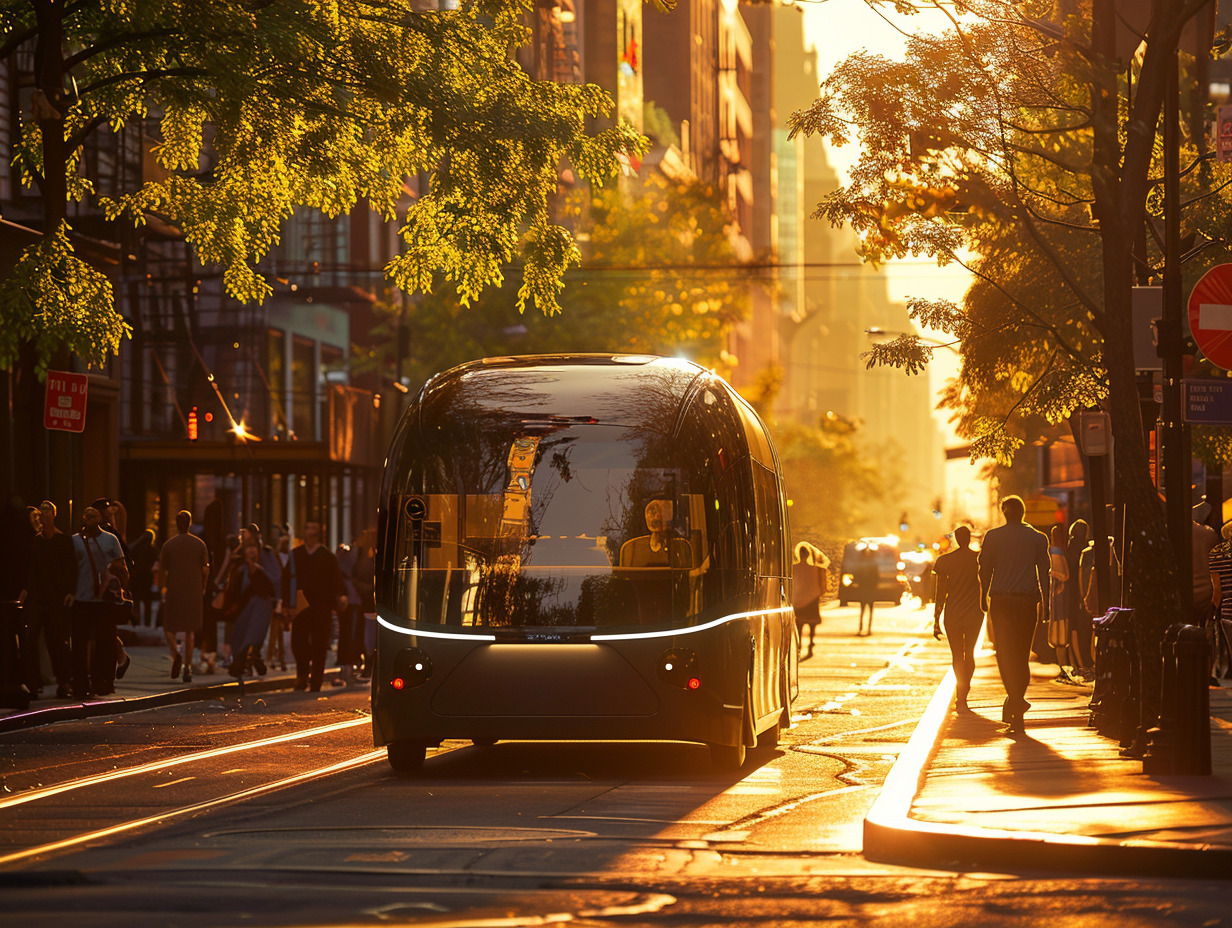
Cities, these mazes of concrete and steel, are today at the heart of a silent yet decisive transformation. Autonomous electric vehicles are key players in this revolution, capable of moving without a human driver, promising a redefined sustainable urban mobility. The Consumer Electronics Show (CES) 2023 was the stage for these revelations, where companies like ZF Group showcased next-generation shuttles, symbols of increasing autonomy and advanced connectivity. In these innovations, find the echo of a shared desire to transform our way of experiencing the city.
At the heart of this dynamic, intelligent transport networks (ITN) and real-time data sharing platforms optimize and inform urban mobility. These integrated systems collect valuable information to manage passenger flows and transport routes more effectively. Their contribution is crucial for intelligent traffic management, minimizing delays and maximizing resource use. The Software République, a collaborative initiative among key players, perfectly illustrates this movement towards connected and intelligent mobility.
Metropolises cannot rely solely on major transport lines to meet the varied needs of their citizens. Micromobility solutions, like the ‘cyclospace vehicle’, offer a practical and eco-friendly alternative for short-distance travel. These means of transport, easily accessible and compact, significantly contribute to reducing carbon emissions. Entities like Moovance and Free2Move actively participate in this trend by promoting eco-mobility through platforms that integrate various modes of transport into a unified digital hub. Consider these advancements as concrete responses to the alerts of the IPCC report, which calls for urgent action to limit greenhouse gas emissions.
New consumption models for urban mobility
Beyond technologies, the question arises regarding the consumption models that accompany these advancements. Autonomous electric vehicles are reshaping the urban mobility landscape by offering not only an alternative to traditional vehicles but also a new relationship with car ownership. Sharing and subscription are replacing ownership, with companies like Moovance and Free2Move shaping new behaviors. These players, by encouraging shared use of transport means, promote a more flexible and cost-effective approach to mobility.
Continuing with micromobility solutions, which follow a similar logic. The use of electric scooters, bike-sharing, or shared scooters is skyrocketing, reflecting a growing appetite for alternative, practical, and less environmentally impactful transport modes. These solutions, in addition to contributing to intelligent traffic management, fit into a paradigm where flexibility and accessibility are priorities.
The impact of startups in this transformation should not be underestimated. They bring the necessary agility to innovate and respond quickly to the changing needs of urban dwellers. Their role is fundamental in establishing personalized services, tailored to urban realities and capable of integrating into a smart mobility ecosystem. Their contribution is tangible in reducing carbon emissions by providing credible alternatives to individual cars.
The ecological dimension of these new consumption practices is firmly rooted in the collective consciousness. Reducing greenhouse gas emissions is no longer an option but a necessity dictated by alarming reports like that of the IPCC. Urban mobility consumers, increasingly informed and concerned, are turning to options that combine efficiency and responsibility towards the planet. This ecological awakening is driving the massive adoption of mobility innovations, ensuring their sustainability and development.