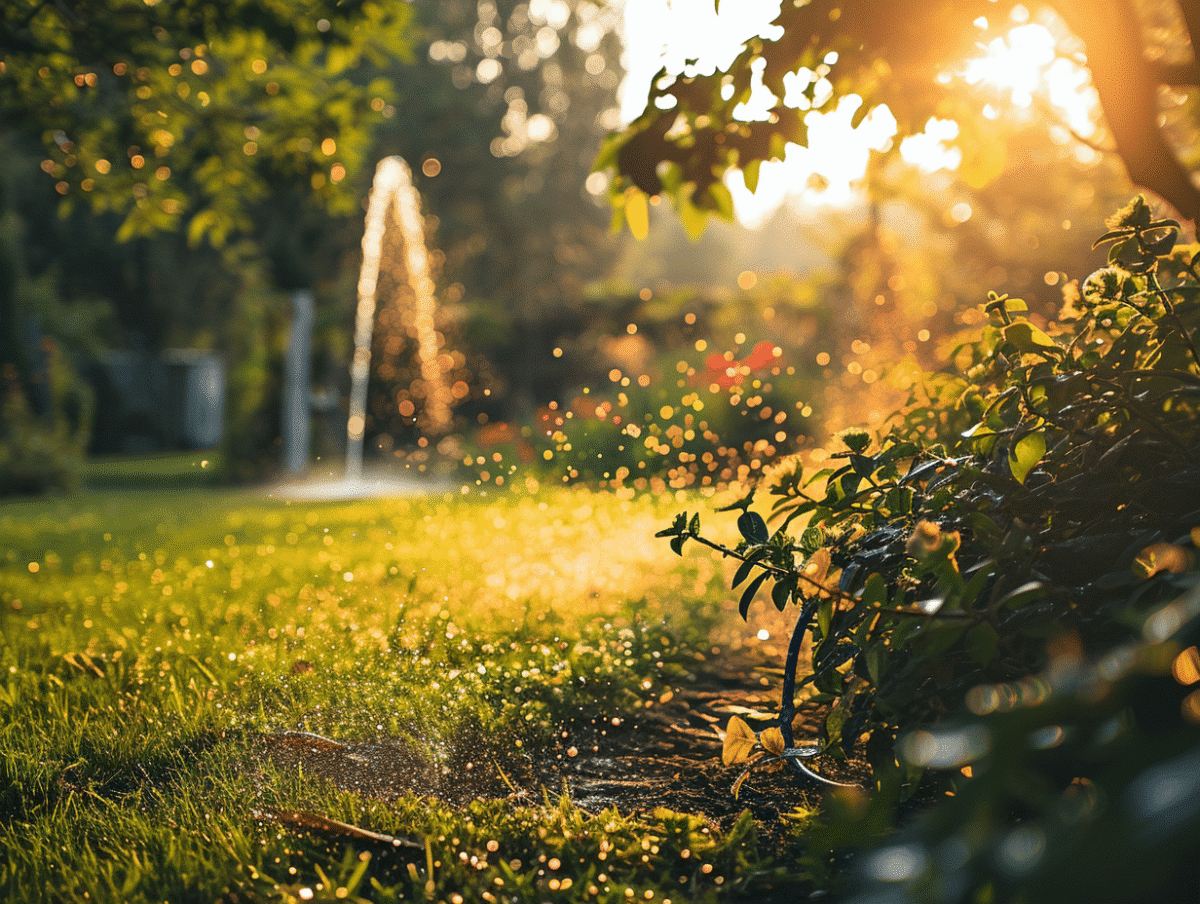
Yellowing grass can be a symptom of a variety of problems, ranging from fungal diseases to nutrient deficiencies. Gardeners and homeowners often seek to understand the underlying causes to restore the vitality of their lawns. Common causes include heat stress, inadequate watering, poor organic matter in the soil, or infestation by harmful insects. Correctly identifying the source of the problem is essential before proceeding with an effective treatment, which can range from adjusting maintenance routines to applying specific products.
Diagnosing the Main Causes of Lawn Yellowing
A yellowing lawn is not necessarily a sign of dead grass, but rather an indicator that your lawn is suffering and requires special attention. Several factors may be responsible for lawn yellowing, and knowing them is the first step in remedying the situation.
The first cause to consider is lack of water. A dehydrated lawn quickly loses its vibrant green color. Be sure to check the regularity and amount of your watering. A well-watered lawn is more resilient to dry spells and retains its green hue longer.
Poor mowing can also be responsible for this weakening of color. Cutting too short can expose the roots to sunlight and cause significant stress to the grass. Ensure that the blades of your mower are sharp and that the ideal choice of thermal mowers respects the cutting height suitable for your type of grass.
Fungal diseases represent another concerning cause of yellowing. If you notice spots or unusual patterns on your lawn, it could be due to fungi. Targeted treatment against these diseases may be necessary to restore a healthy lawn.
Lack of nutrients can weaken your grass and make it more susceptible to yellowing. Proper fertilization provides the essential nutrients needed to strengthen your lawn’s vigor. A soil analysis can help you determine specific deficiencies and adjust your fertilizer inputs accordingly.
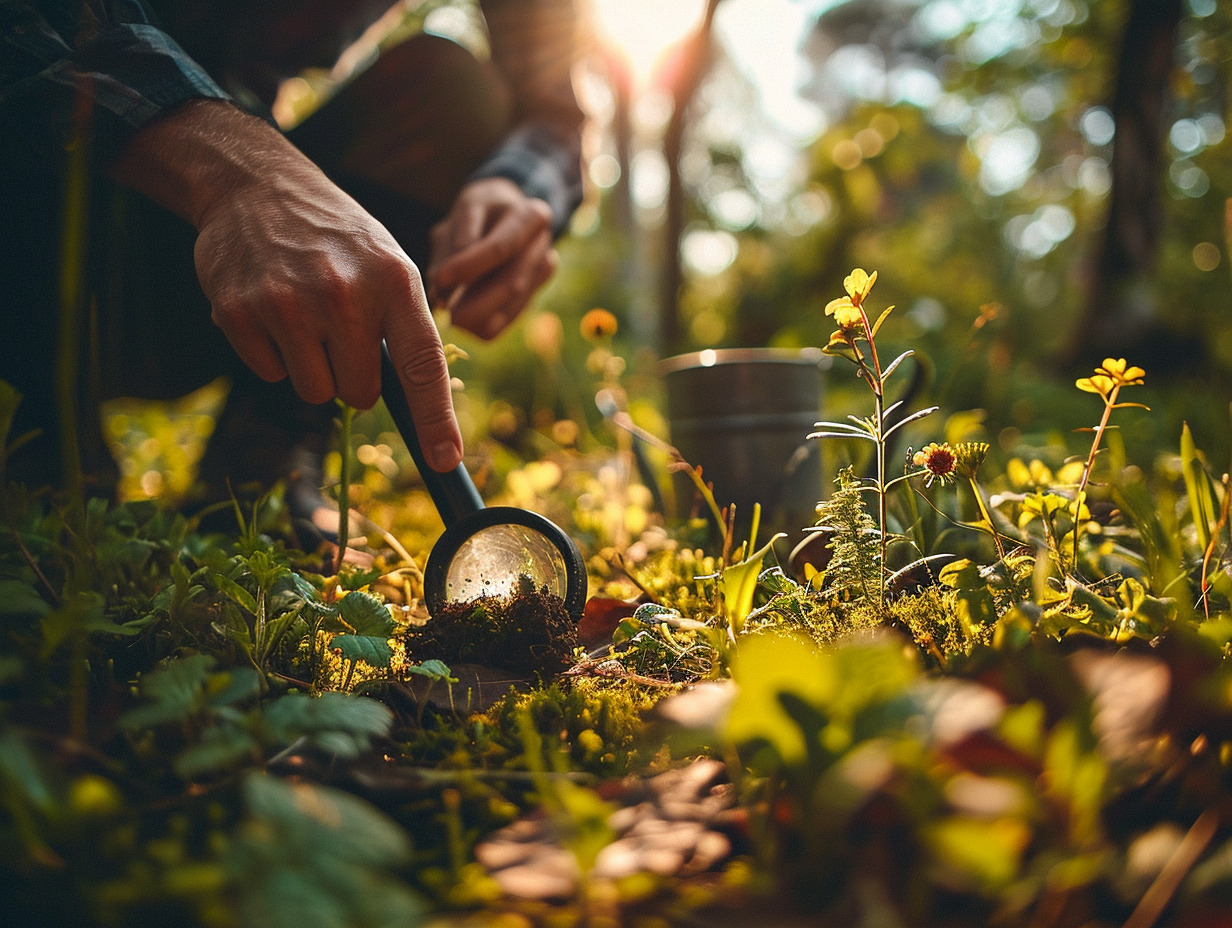
Strategies and Treatments for a Lush Lawn
To restore the vitality of a yellowed lawn, adopt a regular watering schedule, preferably early in the morning or in the evening to prevent rapid evaporation and the development of diseases. This careful irrigation ensures that the lawn receives the necessary moisture without excess, which can be just as harmful as a lack of water.
The practice of scarification is also an asset for maintaining your lawn. This technique aerates the soil and removes moss and thatch that suffocate the grasses. An annual or biannual pass, depending on the density of your lawn and the nature of the soil, is sufficient to maintain a breathable lawn that is receptive to nutrient inputs.
Next, address the nutritional aspect with appropriate fertilization. A balanced fertilizer input of nitrogen, phosphorus, and potassium, tailored to the specific needs of your grass, enhances its resilience and promotes a vigorously green coloration. Sharpen the mower blades before cutting and promptly treat for fungal diseases as soon as they appear are essential reflexes to preserve the health and aesthetics of your green space.