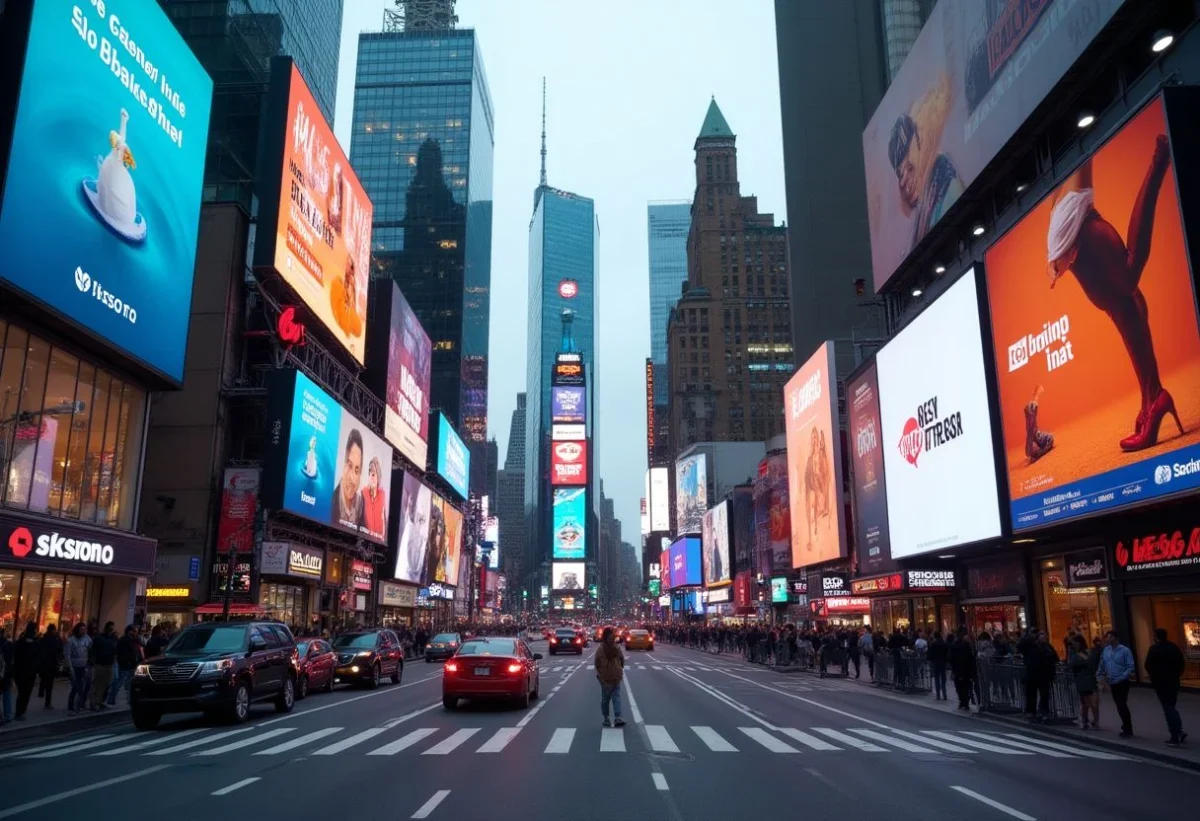
The modern urban landscape is filled with multiple forms of visual communication, but nothing is as ubiquitous and influential as the billboard. These visual giants, which dot our roads and cities, are much more than mere pieces of metal and paper. They embody the essence of outdoor advertising, capturing the attention of passersby and motorists with carefully crafted messages. Billboards play a crucial role in the marketing strategy of businesses, as they allow them to convey messages quickly and effectively to a wide audience.
The history and evolution of the billboard
The journey of the billboard through time is fascinating, reflecting economic, technological, and cultural changes. From the earliest hand-painted signs to today’s digital structures, this form of advertising has continuously evolved to meet market needs.
The earliest examples of outdoor advertising can be traced back to antiquity, where signs on building facades invited passersby to discover products or services. With the industrialization of the 19th century, billboards took on a new dimension, thanks to lithographic printing which allowed for mass production. In the 20th century, the advent of technology added a dynamic dimension to these boards with the emergence of digital screens. Nowadays, these billboards are often interactive, integrating technologies such as augmented reality to engage consumers further.
The psychological and sociological impact of billboards
The impact of billboards goes far beyond the simple promotion of products and services. They influence our behaviors, thoughts, and even our emotions. By studying how the messages conveyed by these boards affect our subconscious, we can better understand their effectiveness and importance in our daily lives.
- Color psychology: the colors used on a billboard are carefully chosen to evoke specific emotions. For example, red can stimulate urgency or excitement, while blue is often associated with trust and reliability.
- Strategic positioning: the location of a billboard in an urban or rural space directly affects its visibility and impact. Billboards located at highly trafficked intersections capture more attention than those placed in less visible areas.
- Cultural influence: the messages and images used on billboards can reflect or influence cultural and social norms. They have the power to introduce new trends or reinforce existing stereotypes.
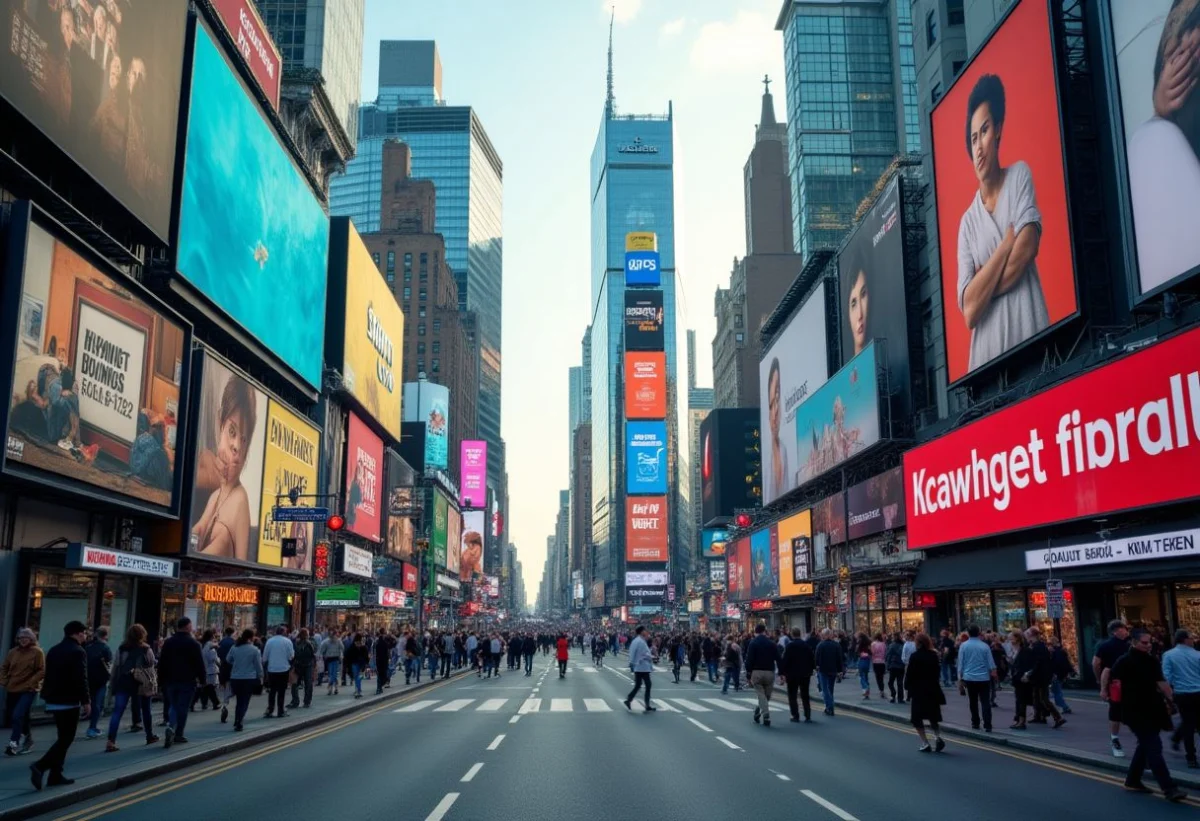
Current challenges of billboards
In an increasingly digital world, traditional billboards face numerous challenges. They must not only compete with a multitude of digital marketing options but also adapt to ever-changing consumer expectations and stricter environmental regulations.
One of the main challenges is to remain relevant in the face of the rise of social media and online marketing. Businesses need to be innovative in integrating digital elements into traditional billboards, creating a coherent message that extends across multiple platforms. Additionally, sustainability has become a major concern. Companies are looking to minimize their carbon footprint by using recycled materials and eco-friendly technologies in the construction of billboards.
Furthermore, billboards must comply with increasingly strict regulations regarding their location, size, and content. These restrictions aim to preserve the urban landscape while ensuring the safety of motorists and pedestrians.
The future of billboards
As technological advancements continue to transform the advertising landscape, billboards are evolving to adapt to a digital future. These giants of outdoor advertising will not disappear anytime soon; rather, they will adopt new forms and functionalities to remain relevant.
- Digital integration: digital billboards will become more interactive, allowing real-time interaction with consumers via smartphones and connected technologies.
- Ecology and sustainability: the use of solar-powered billboards and the reduction of non-recyclable materials will be at the core of manufacturers’ concerns.
- Personalization: through data analysis, billboards will be able to offer personalized messages based on the preferences and behaviors of local consumers.
Billboards have always known how to capture attention and evoke emotions. These communication mediums, now in full transformation, continue to play a fundamental role in the marketing world. By adapting to new technologies and responding to environmental challenges, billboards demonstrate their ability to evolve without ever losing their original essence.