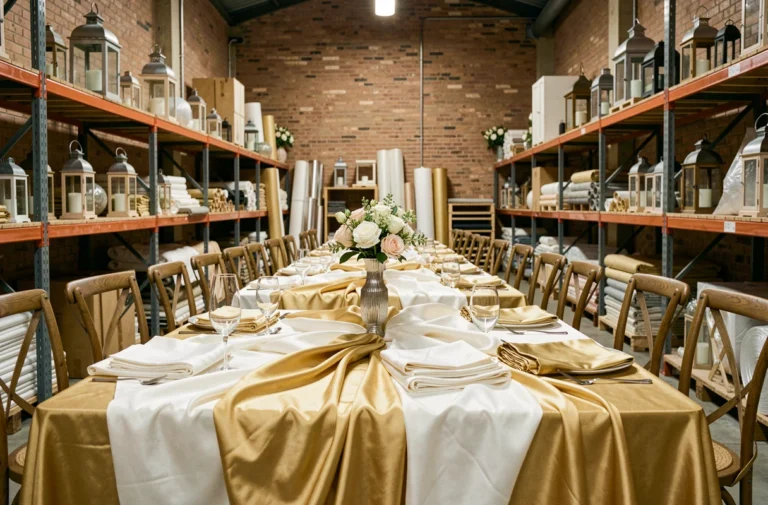
The rise of technologies and the evolution of pedagogical methods have paved the way for a radical transformation of educational spaces. University campuses, traditionally characterized by static classrooms and quiet libraries, are now on the brink of a new era. The integration of innovations such as modular classrooms, virtual reality labs, and dynamic co-working spaces reflects a profound change in the approach to learning. This enriched environment stimulates collaboration, innovation, and creativity, providing students with a more engaging educational experience that aligns with the challenges of the 21st century.
Emerging technologies redefining campus learning
In the wake of a university world impacted by digital technology and the pandemic, education is inexorably evolving towards a deterritorialization-reterritorialization of its spaces. The reconfiguration of the boundaries of educational action is palpable, particularly through the development of distance learning, which has become a lifeline for maintaining pedagogical continuity. It is evident that these new learning methods now recognize and integrate hidden curriculums, thereby enriching the educational experience.
Consider the example of Alcuin Purpan University, which illustrates this transition. Digital technology significantly contributes to the reconfiguration of pedagogical practices, thereby facilitating distance learning and the emergence of informal learning spaces. These environments stimulate innovation and collaboration, providing students and teachers with opportunities for interaction and exchange that transcend traditional geographical boundaries.
Like Alcuin Purpan University, other institutions are embracing this dynamic. The DUNE EOLE project, involving the University of Lorraine and focused on Design Thinking, aims to evolve physical learning spaces to better accommodate contemporary pedagogical methods. The experiments conducted by the architecture schools of Strasbourg and Nancy with their Educational Virtual Environment allow for an adaptation of existing spaces to these new approaches. These initiatives reflect a genuine desire to renew teaching methods, where pedagogical innovation becomes the driving force of educational transformation.
Collaboration and innovative spaces: towards a renewed pedagogy
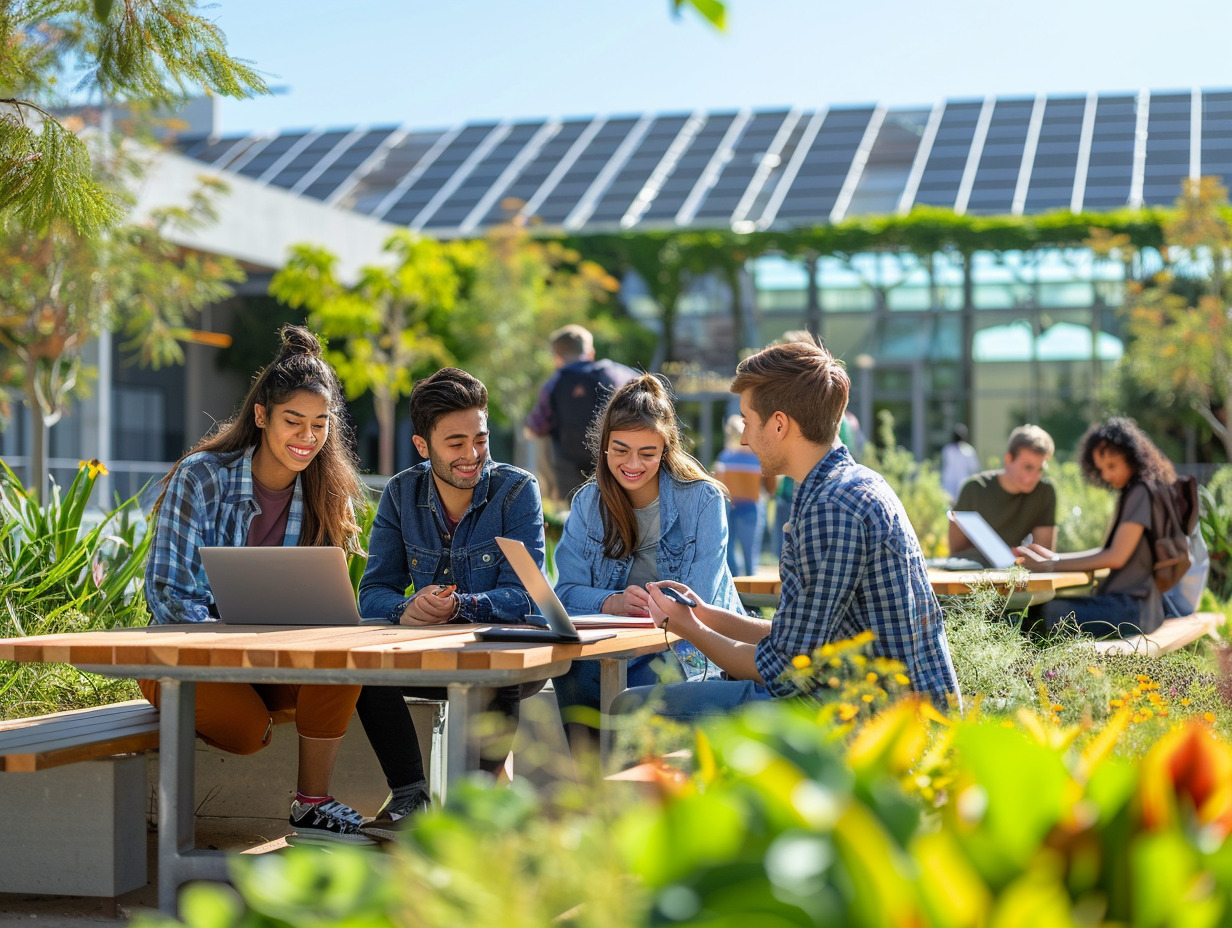
In the wake of digital transformation, higher education institutions are witnessing a profound shift. The DUNE EOLE project, led by the University of Lorraine, embodies this trend by making Design Thinking a lever for action to reinvent physical learning spaces. The goal: to promote interactive and collaborative pedagogy, in line with contemporary educational demands. The initiative aims not only to elevate the quality of teaching but also to enrich the student experience by creating spaces conducive to innovation and knowledge sharing.
Exploring new frontiers, the architecture schools of Strasbourg and Nancy are venturing into the Educational Virtual Environment, a realm where pedagogical and technological innovation intertwine. This approach allows for a bold adaptation of existing spaces to modern teaching methods, thus transforming the way students interact with their learning environment. The virtualization of the educational environment opens up unprecedented perspectives, where mobility and interactivity become the watchwords of the university experience.
TBS Education, under the leadership of Pierre Hurstel and the direction of Stéphanie Lavigne, announces an ambitious real estate project in Toulouse, once again demonstrating the importance placed on infrastructure in the development of effective educational strategies. In this same vein, the Campus of Trades and Qualifications, certified by the Ministry of National Education and associated with the ARF and the CFA, actively supports territorial policies for economic development, providing a learning framework that aligns with the needs of the local and regional market. These initiatives illustrate the synergy between education and socio-economic development, fundamental for the future of teaching.