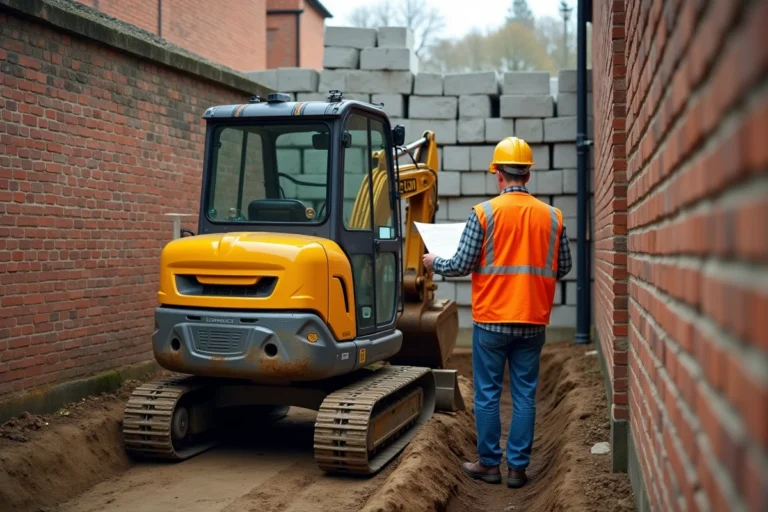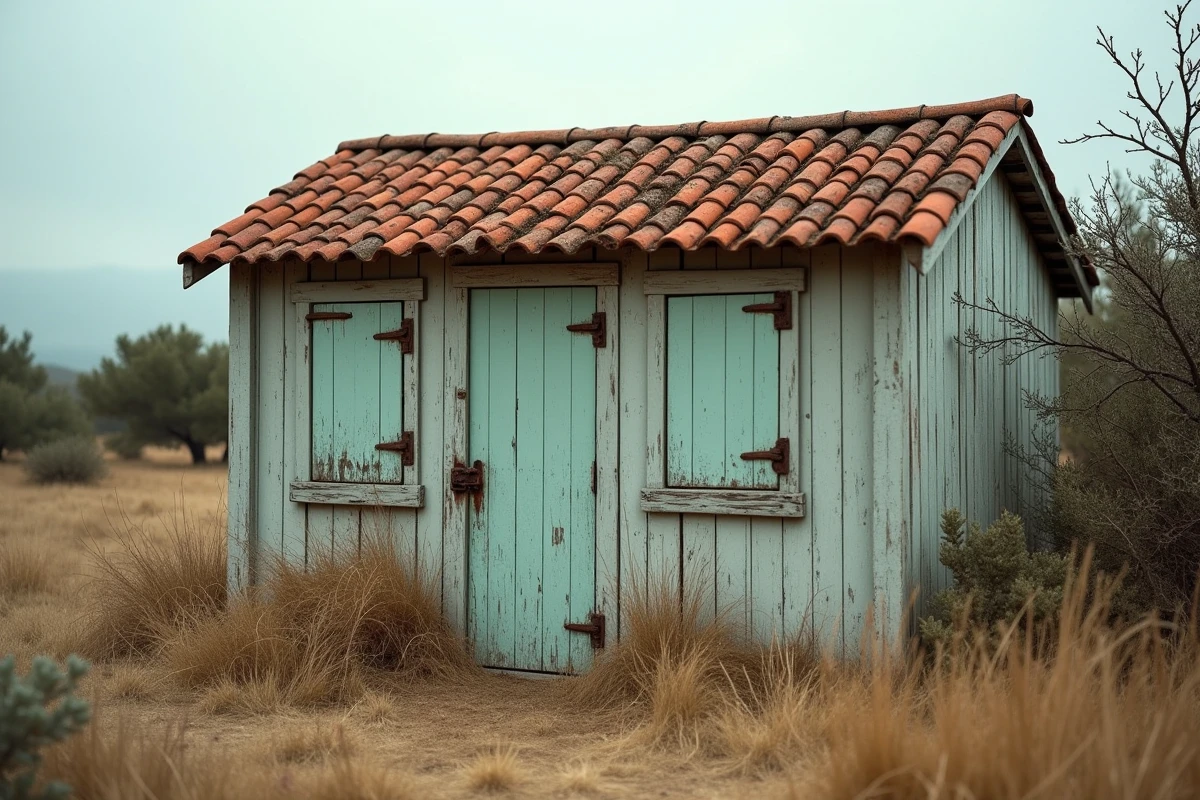
A shed listed in the land registry on a non-buildable plot does not automatically grant its owner any rights to build or expand. This distinction between tax recognition and urban planning rights is the starting point for understanding what can or cannot be done with this type of structure.
Land Registry and Urban Planning: Two Distinct Logics for the Same Shed
The land registry is a tax register. When a shed appears there, it means it has been recorded for property tax purposes, nothing more. Real estate practitioners remind us that the land registry has no legal value for defining property boundaries or building rights.
The right to build depends on the Local Urban Plan (PLU) of the municipality. A plot classified as agricultural (A) or natural (N) remains subject to strict restrictions, even if an existing building has been recorded there for decades. The rights related to registered sheds are limited to the use of the structure as it exists, without guaranteed extension or change of use.
The confusion between these two systems leads to costly mistakes during an acquisition. A buyer who sees a shed on the land registry may legitimately think they have an acquired right. The legal reality is more restrictive.

Work on an Existing Shed in a Non-Buildable Area: What the PLU Allows
On a non-buildable plot, the scope for action depends on the regulations of the relevant zone in the PLU. Three scenarios arise.
- Routine maintenance (roof repairs, replacement of joinery, facade renovation) generally does not require urban planning permission, provided that neither the footprint nor the exterior appearance of the shed is modified.
- A renovation that alters the exterior appearance or the load-bearing structure requires at least a prior declaration of works at the town hall. However, the PLU may prohibit any modification in strict N zones.
- A measured extension of the existing structure may be considered in certain agricultural or natural zones, subject to compatibility with the PLU. In zones A and N, the opinion of the CDPENAF is required (Departmental Commission for the Preservation of Natural, Agricultural, and Forest Spaces). This commission can oppose the project even if an existing structure is present.
Changing the use, for example, converting an agricultural shed into a residence, falls under an even more regulated regime. Since the ELAN law, this type of operation remains theoretically possible in certain zones, but the municipality and the CDPENAF have blocking power.
Declassification of Land: The Shed as a Lever in PLU Revisions
In rural municipalities where the PLU is under revision, the presence of a registered shed can serve as an argument for a temporary declassification of a micro-sector into a buildable zone. The reasoning is based on the continuity of the built environment, the proximity of water and electricity networks, and a demonstrated general interest (gentle densification, for example).
These declassifications remain rare and increasingly regulated. The CDPENAF examines each request and can oppose the conversion to buildable land, even when a building already exists on the plot. The presence of a shed does not guarantee the declassification of the land.
What Owners Can Actually Do
The process begins with consulting the PLU at the town hall. The document specifies the exact zoning of the plot and the applicable rules. An operational urban planning certificate, valid for eighteen months, allows one to know the feasibility of a specific project on the land.
If the owner is considering an extension or a change of use, a boundary survey by a licensed surveyor is recommended. Since the land registry does not set the legal boundaries of property, only a contradictory boundary survey is valid in case of a dispute with a neighbor or the administration.
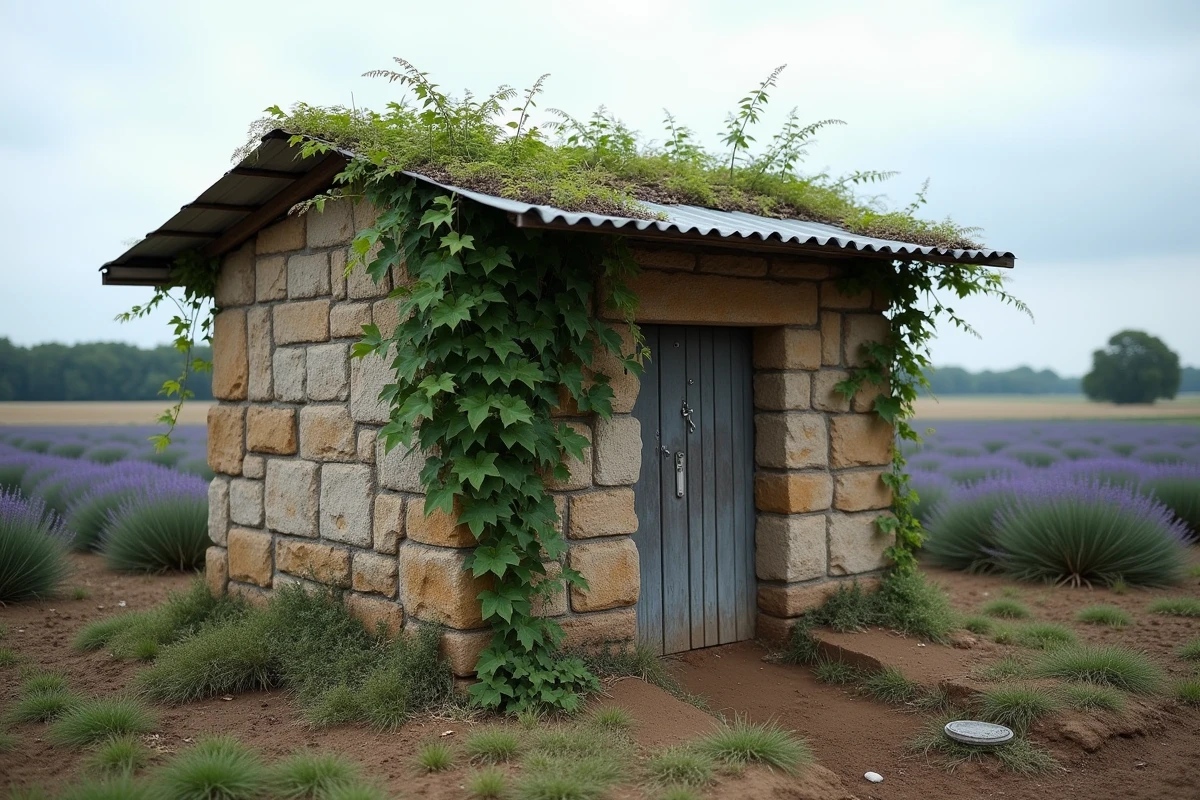
Legal Risks Related to Non-Compliant Use of a Shed
Establishing a de facto residence in a shed located in a non-buildable area exposes one to sanctions. The town hall can draw up a report of violation of the Urban Planning Code. The court may order the restoration of the premises, meaning the demolition of unauthorized modifications.
Illegal urbanization remains a monitored phenomenon. Owners are progressively connecting their sheds to water and electricity, installing sanitary facilities, and then residing there permanently. This gradual transformation does not escape administrative control, especially in protected or coastal areas.
The statute of limitations for urban planning violations is six years from the completion of the works. After this period, criminal prosecution is no longer possible, but non-compliance with the PLU remains: the construction remains irregular from an administrative standpoint and cannot be sold as a residence nor insured as such.
For an owner wishing to regularize the situation of an old shed, the first step remains an appointment at the urban planning department of the town hall. Depending on the zoning and the age of the construction, regularization through a prior declaration or building permit may be possible, with no guarantee of success.